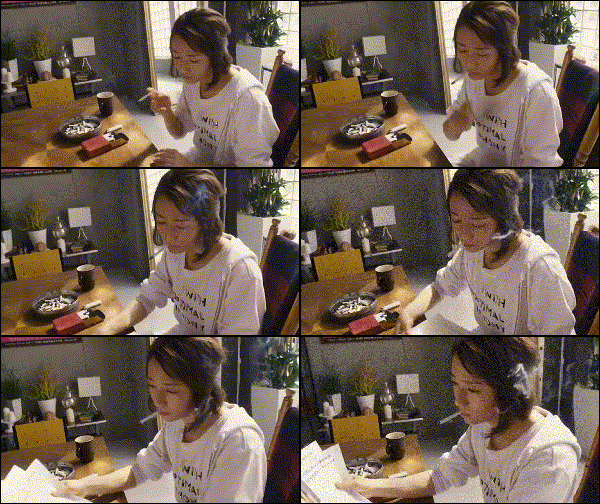
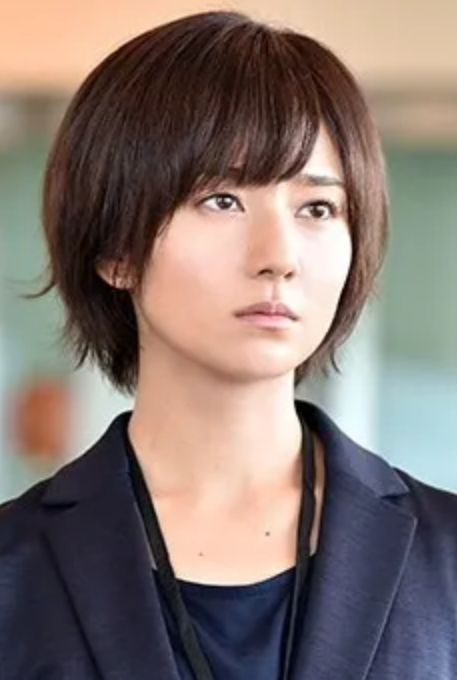
I remember my childhood well. My mother and father would always be away at work. False promises of family outings, only to be met with disappointment. That was fine. I had plenty of friends: Sachiko, Yuna, and Ruka. My three best friends in the world. A plush fox, cat, and dog. They were more than enough for me. I did not need much. My time was spent with them every night, accompanied by konbini dinners and my favorite tale: Kaguya-hime no monogatari. A tale about a woman who is not of this world. One who must return to the moon after she becomes materially attached to Earth, as punishment for crimes undisclosed. She had so many friends. I loved it.
I remember when I had entered school. I met the other children, finally forced into a space with others. They paid me no attention - I was the strange girl who never quite understood how to take a hint. They surely taught me the consequence of that. I chose to keep to myself. I did not need them. I had plenty of books, bought with my spare lunch money, to entertain me for weeks. Sachiko stayed with me, long after Yuna and Ruka were destroyed or taken by the other children. She would always read with me. She was more of a friend than any other human was.
I remember when the high school entrance ceremony came. Still, no others who wished to be near me. Even after the girls spread rumors of my sexuality. Even when they called me a bakemono. Seemingly, I had no reaction to such comments, and they found that to be impish. It was fine. Perhaps I was simply not meant to interact with other humans - the outcomes never quite seemed to make anyone happy. I decided to spend my time skipping studies and immersing myself in tales. Still re-reading Kaguya-hime no monogatari. Still holding onto Sachiko. Still by myself.
I remember my dream: To go to the moon. But I was stuck in Okayama. Parents wanted me close. Not like they were ever home anyway, even still. Okayama University of Science denied me. I became a lowly ambulance driver with the local fire department. Years of experience. Co-workers found me strange. Never knew how to speak to them. Went to get qualified for ELST. Certified. Became an 'Emergency Life-Saving Technician.' Work was never glamorous, always stressful with long night shifts. Father died from karōshi. Contemplated suicide. But Mother was diagnosed with cancer. So I had to take care of her. Started smoking cigarettes. I never could get enough of them.
I remember that one day in AEON, the shopping mall. I bought an English language book on my hundredth trip to the flower shop there. Always bought Mother flowers. But I needed to be ready to leave once she died. Yet a tether to this place would appear: Alice Lam. Chinese woman - she took note of me. She was observant. Remembered so much. Odd, just like me. Helped me with my English. I helped her with her Japanese. We went shopping. Showed her Sachiko. She did not judge, the first person ever to do so. Became close, like an older sister I never had. She let me talk about Kaguya-hime as much as I wanted to. Stared at the moon with me. I drank at an izakaya for the first time with Lam-chan. Sachiko wasn't alone anymore. Neither was I. I become more willing to be social - still 'odd' and 'strange' to others, though.
I remember studying with diligence. Studied English when not smoking or drinking with Lam-chan. AOL Messenger chats with English-speakers. Skype next. [REVISE DEPENDING ON LORE DROP] Japanese-to-English dictionaries were my ally. Difficult language. But I managed to become passably fluent. At least to the average American. I wanted to visit America. Land of opportunity and fresh beginnings. But Mother was here. Her condition was getting worse. I could not leave her alone.
I remember when Mother died. Lam-chan told me that we should go on vacation. Visit America. Suddenly had money to do so. All the years of Mother and Father leaving me alone was for this. Pathetic. Yet I obliged. First time out of the country. First time going on a trip with a friend. California first, then Florida, then New York. Perhaps I would leave Japan behind and come to America some day. For now, just a small sample.
I remember when the plane took off for California. Took forever to board. Brought Sachiko and Lam-chan with me. One case of luggage. Two weeks of vacation; more than I had ever taken before. I wanted to see everything I could. To see if I could live in a far away world, much like Kaguya-hime. My plan fell apart slowly. Took a turn in the wrong part of the city and witnessed a man gunned down in the street. America was so violent. I had never seen many gunshot wounds in Japan. Only knew how to treat them in theory, never had to apply that knowledge in reality. It seemed as if this was just a normal thing here, however. We continued, even as I struggled to comprehend how such a thing could be so commonplace.
I remember we flew to Florida next. But our flight was grounded.[CHANGE LATER TO FIT LORE]. Stuck in [LOCATION]. [ADD IN HOW THEY GOT STUCK]
[WAIT FOR LORE DROP]
Found a dead paramedic. Took his bag. He would not need it anymore. Became good at making sure people did not bleed out after being shot. Theory had turned into practical experience. Kept Sachiko with me the whole time. Lam-chan as well. Such a violent place, America. I miss Okayama. I miss Mother and Father.